

* Don’t let customer regrets become your regrets.
* By understanding the most common homeowner regrets, you can guide them to better decisions.
* Regret isn’t necessarily the result of making a bad decision. Sometimes it comes from discovering too late that a better option existed.
* The best time to prevent customer regret is before the order is placed.
7 Common Kitchen Remodeling Regrets — and How Designers Can Prevent Them
Every kitchen designer wants to hear that a customer loves their new kitchen. What no designer wants is to hear “I wish I’d known that was an option”.
Customer regret can quickly become dealer regret. A disappointed homeowner may blame the designer for a feature they didn’t know existed, a decision they didn’t fully understand or an option they never thought to ask about.
Of course, designers can’t be responsible for every decision their customers make. But asking the right questions, presenting appropriate options, explaining trade-offs and documenting decisions can go a long way toward preventing disappointment in the long run.
A successful kitchen remodel isn’t necessarily the one with the biggest budget or the most expensive materials. It’s the one that reflects how homeowners live, what matters most to them and which investments will make a meaningful difference in their everyday lives.
Understanding the most common homeowner regrets can help designers guide their customers toward better decisions – and avoid the dreaded two- or three-star review.
Let’s take a look.
Customer Regret Number 1
1. Not knowing certain products were available.
Homeowners don’t know what they don’t know! They may be completely unaware of specialty storage, cabinet modifications, interior accessories or design possibilities that would make their kitchens more functional and their lives easier. Don’t assume they’re familiar with available storage solutions, accessories, or customization options.

This is where your value as a kitchen designer becomes apparent. Show customers what they don’t know exists. Whether you’re attending KBIS, participating in NKBA events or keeping up with industry publications, staying informed about new products and innovations is part of the value you bring to your customers.
It’s easy for a homeowner to get lost in all the decisions they have to make. Be their guide and make the recommendations that will get them to a regret-free kitchen.
Customer Regret Number 2
2. Not asking for what they really want.
Of course you have a client in-take questionnaire, but beyond those questions, do you ask them what they really want? What they really, really want. (apologies to Spice Girls).
Customers sometimes assume something they want will be too expensive, or too impractical or it won’t work in their design. So they never mention it. Imagine their disappointment after their new kitchen is complete and discovering that the feature they really wanted was entirely achievable!
Get them to share their “secret” wish list long before they begin eliminating possibilities based on perceived costs. Of course, if they want a stone wood-fired pizza oven, you will probably have to let them down easy and explain why that might not be possible. However, there’s always work arounds and lower priced options out there for the designer willing to explore products.

For example, the Ooni Volt 2 pizza oven is designed for indoor use and reaches temps of 800+ degrees for creating restaurant quality pizzas at home. It’s not a wood-fire oven built from imported rocks, but it will make a delicious pizza that’s better than frozen.
If they don’t tell you what they want, they’ll never get their heart’s desire.
Customer Regret Number 3
3. Prioritizing appearance over functionality.
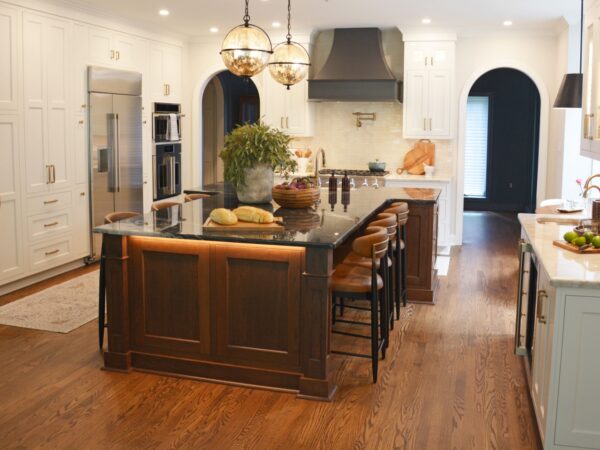
Customers can spend hours selecting door styles, finishes, countertops and hardware. But have they considered how they actually use their kitchens? Dealers encounter customers who know exactly what color cabinets they want but haven’t thought through how their kitchens will function.
Where will the coffee maker go? Where will they store the stand mixer? Is there adequate counter space near the refrigerator? Will the island be big enough for family seating?
A beautiful kitchen is certainly something to admire. But a beautiful kitchen that doesn’t function well can become a source of daily frustration.
Customer Regret Number 4
4. Remodeling for resale rather than for today’s living.
How often do homeowners make conservative design choices because they’re thinking about some hypothetical future buyer? Unless they’re planning to sell soon, why shouldn’t they have the kitchen they actually want?
You should encourage them to design for today’s lifestyle, not just tomorrow’s resale. Help customers distinguish between reasonable resale considerations and compromising their own enjoyment.
However, don’t dismiss resale considerations altogether. Maybe gently steer them away from purple cabinets or holographic backsplash tiles but certainly there are compromises that keep them happy in the here and now and future home buyers.
A home should serve the people living in it today, not the people who might buy it someday.
Customer Regret Number 5
5. Not spending enough time researching appliances.
Homeowners must make their appliance selections before cabinetry is finalized and ordered.
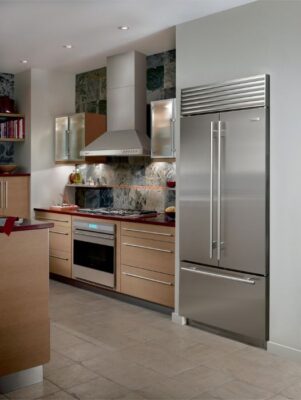
And before they become dazzled by Sub-Zero refrigerators and Wolf ranges, they need to understand that appliance selections influence the entire kitchen design. Refrigerator dimensions, ventilation requirements, clearances and even door swings can affect cabinetry configurations and available space. Designers can help customers understand these considerations before they make their final selections.
Also, they should be made aware that making appliance changes late in the process can create expensive complications. Very expensive.
Customer Regret Number 6
6. Saving money by eliminating features they'll later miss.
Help them make selections that will make their everyday life easier: roll-out shelves, deep drawers, tray dividers, waste pull-outs and other built-in storage accessories, extra outlets, under-cabinet lights – the list goes on.
Some features, such as soft-close doors and drawers, are standard in Brighton and Integrity cabinets. No need to pay for an upgrade here.
Explain the long-term value of functional upgrades. Help customers understand which features they’ll appreciate every day.
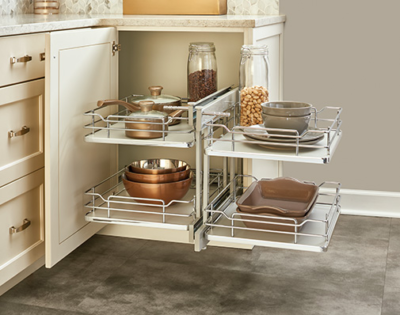
Your homeowner client may not regret the decorative molding they passed on, but they for sure will regret having to bend down to retrieve pots and pans from the back of a cabinet every single day.
Spend the money on the swing-out. Your back will thank you.
Customer Regret Number 7
7. Letting the budget dictate every decision.
There’s a difference between respecting a customer’s budget and allowing that budget to dictate every design decision.
Most homeowners have financial limits, and a responsible designer respects them. But customers don’t always recognize which expenditures will have the greatest impact on their satisfaction with the finished kitchen.
Help them distinguish between features that are essential, those that would be nice to have and those they can comfortably eliminate. Perhaps recommending a wood with no upcharge if cabinets will be painted or a simpler door style will free up enough money for better storage solutions that will improve the kitchen’s functionality.
The goal isn’t to convince customers to spend more money. It’s to help them understand where spending more might deliver lasting value.
A customer who understands the trade-offs is less likely to regret the decisions made along the way.
Conclusion
Regret isn’t necessarily the result of making a bad decision. Sometimes it comes from discovering too late that a better option existed.
Experienced designers know that their value extends well beyond selecting cabinets and creating beautiful spaces. It’s also about helping customers recognize possibilities, understand trade-offs and make decisions they’ll be happy with long after the installation is complete.
The best time to prevent customer regret is before the order is placed.
At Bob Aungst Cabinet Sales, we work with kitchen dealers and designers and design-build remodelers throughout Pennsylvania, New Jersey, Delaware and Maryland to help them sell cabinetry for real homes and real lifestyles.
FAQs
Q. How can dealers prevent homeowner regrets?
A. By asking the right questions, presenting appropriate options, explaining trade-offs and documenting decisions.
Q. What seems to be the biggest homeowner regret?
A. Not knowing certain products were available. Homeowners don’t know what they don’t know! They may be completely unaware of products that would make their kitchens more functional and their lives easier.
Q. Should budget be the determining factor in a kitchen remodel?
A. Most every homeowner has a budget, and it should be respected. However, customers don’t always recognize which expenditures will have the greatest impact on their satisfaction with the finished kitchen.